
I Want to Make Music, But I Haven’t Got the Talent
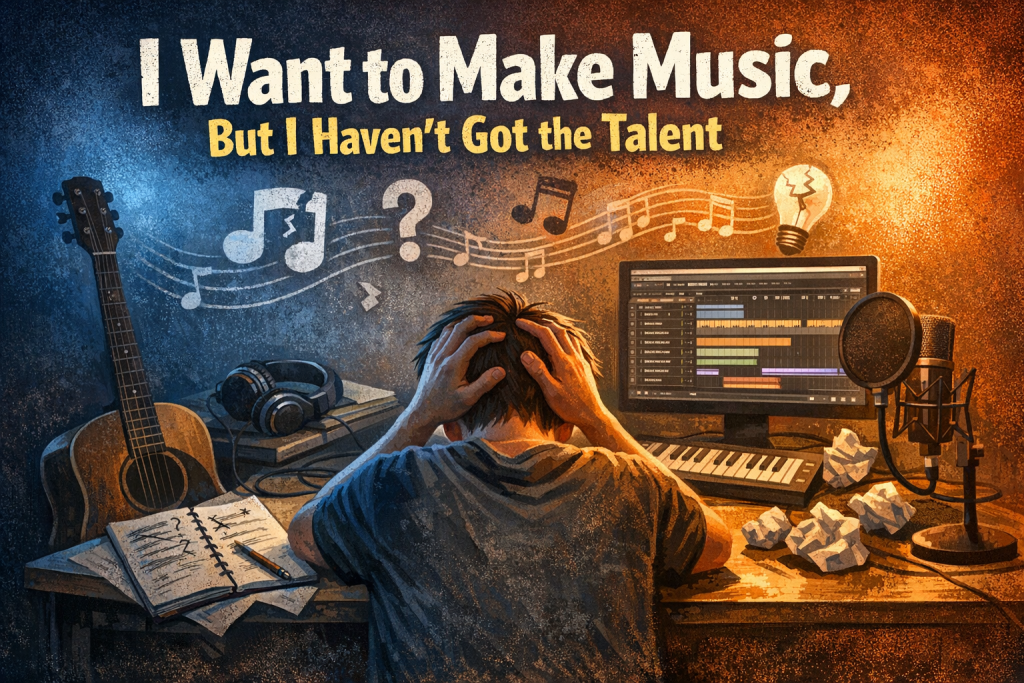
I Want to Make Music, But I Haven’t Got the Talent
The desire to create music is powerful — and universal. Yet one belief stops countless people before they even begin:
Many people believe that making music is reserved for those with innate talent. They often feel discouraged when they compare themselves to established musicians, forgetting that every artist starts from scratch. This is where the journey begins, and it’s important to embrace the process of learning and growing.
Talent often creates an illusion of easy success, but the reality is that hard work and dedication are the true keys to mastering any craft. Think of the countless hours musicians spend practicing their instruments or honing their songwriting skills. Success in music is not a sprint; it’s a marathon that requires perseverance and continuous effort.
“I want to make music, but I haven’t got the talent.”
If that’s you, you’re not alone. The good news? Talent is not the deciding factor in whether you can make music. In fact, many musicians you admire didn’t start out “talented” — they became skilled through curiosity, persistence, and passion.
Here’s why a lack of perceived talent should never stop you from pursuing your musical dreams.
Every great musician has faced obstacles. For instance, consider the story of Beethoven, who continued to compose incredible music even after losing his hearing. His determination exemplifies how persistence can lead to greatness, regardless of initial talent.
1. Talent Is Overrated — Persistence Matters More
When you practice, you’re not just playing notes — you’re building your artistic voice. Each session adds to your skill set and confidence. Aim to set aside dedicated time each week for practice, and you’ll be surprised how quickly you can progress.
Mistakes in music can lead to wonderful discoveries. For example, some of the most beloved songs emerged from accidental chord changes or unusual compositions. Embrace your mistakes as part of the creative journey rather than something to fear.
Talent is often treated as something you either have or don’t. But in reality, music is a learned skill. What matters far more than natural ability is your willingness to practice, experiment, and grow.
Practice Builds Skill
Every musician started with a single note or beat. Remember that each small effort is a stepping stone towards larger achievements. Celebrate each completed exercise or project, no matter how small, as it’s a victory on your musical path.
Playing an instrument, learning a DAW, understanding rhythm or harmony — these are all skills you can develop over time.
Online platforms and communities, such as YouTube or music forums, have become invaluable resources for new musicians. Joining these communities can help you discover new techniques, receive feedback, and stay motivated.
Mistakes Are Part of the Process
Every musician makes mistakes. The difference between those who succeed and those who quit is simple: They keep going.
2. Start Small and Build Confidence
Short loops or beats can lead to more complex compositions over time. Use software to experiment with different sounds, tempos, and styles. This exploration will help you find your unique musical identity.
You don’t need to write a masterpiece on day one. Start with small, manageable steps.
Learn the Basics
Explore beginner‑friendly tutorials, courses, and communities. There’s more free education available today than ever before.
Create Short Loops or Beats
Studying your favorite songs can also deepen your understanding of music theory and composition. Analyze what makes those songs resonate with you and try to incorporate similar elements into your own work.
Instead of trying to finish a full song, start with:
For those who might hesitate to invest in music equipment, many DAWs offer free trials or basic versions. Take advantage of these resources to experiment without financial risk.
- a four‑bar loop
- a simple beat
- a short melody
As you become familiar with a DAW, challenge yourself to create different genres. This exploration will broaden your skills and help you discover what resonates most with you as an artist.
Small wins build confidence.
Consider collaborating with other musicians. Sharing ideas and feedback can enhance your creativity and introduce you to new perspectives. Collaboration often leads to unexpected and exciting results in music making.
Imitate Before You Innovate
Experimenting with AI tools can also be a fun and innovative way to inspire your music creation. These tools can introduce you to new melodies and rhythms, sparking fresh ideas for your projects.
Copying your favorite songs is one of the fastest ways to learn structure, rhythm, and arrangement. Your unique style will emerge naturally over time.
3. Use Technology to Your Advantage
Engaging with your passion for music keeps you motivated. Set goals that inspire you, such as learning a new song or performing for friends.
You no longer need to be a virtuoso to make music. Modern tools make music creation accessible to everyone.
Finding your musical niche can be a rewarding experience. Explore various styles until you find one that resonates with your artistic expression.
Digital Audio Workstations (DAWs)
Music is about self-expression. Allow yourself to be vulnerable in your music, as this can create authentic connections with your audience.
Programs like Ableton Live, FL Studio, Logic Pro, and GarageBand give you everything you need to compose, arrange, and produce music — even as a beginner.
Online forums or local music groups can provide essential support, making your journey less solitary. Sharing experiences with others can enrich your understanding and enjoyment of music.
Samples and Loops
Defining success can be a deeply personal journey. Reflect on what achievements matter most to you in music, whether it’s completing a project or simply enjoying the process of creation.
Drag‑and‑drop loops can help you build tracks quickly while you learn the fundamentals.
AI and Generative Tools
AI‑powered melody, chord, and rhythm generators can spark ideas and help you overcome creative blocks.
Technology isn’t cheating — it’s a tool, just like a guitar or piano.
4. Focus on What You Love
Every musician has their own story. Embrace your unique path, and keep pushing forward, knowing that each step is valuable.
Passion is the fuel that keeps you going, even when things feel challenging.
Follow Your Curiosity
Work on genres, sounds, and artists that inspire you.
As you embark on your musical journey, remember: I Want to Make Music. Take the first step today, and let your passion guide you to extraordinary places.
Experiment and Play
Music is supposed to be fun. Give yourself permission to explore without pressure.
Join a Community
Surround yourself with other beginners and creators. Feedback, encouragement, and shared learning make the journey easier and more enjoyable.
5. Redefine Success
Success doesn’t have to mean fame or perfection. It can be:
- finishing your first beat
- writing a melody you love
- sharing a track with a friend
- expressing yourself creatively
Every step forward is a win.
Conclusion
The belief that you need innate talent to make music is a myth. Anyone — truly anyone — can learn to create music with the right mindset, tools, and persistence. No matter where you start, remember that your musical journey is uniquely yours and filled with potential for growth and creativity.
Start small. Stay curious. Embrace the learning process. Over time, you’ll discover that making music isn’t about talent — it’s about passion, creativity, and the joy of creating something uniquely your own.
Your musical journey can start today. All you have to do is take the first step.
Further Reading:
Resources to help you go deeper
- learn more in How to EQ Your Feelings
- dive deeper with The Musician’s Tech Toolbox
- explore Producer’s Guide to Avoiding Human Contact