

Success With Music Collaboration: Overcoming Communication Challenges
Success With Music Collaboration: Overcoming Communication Challenges
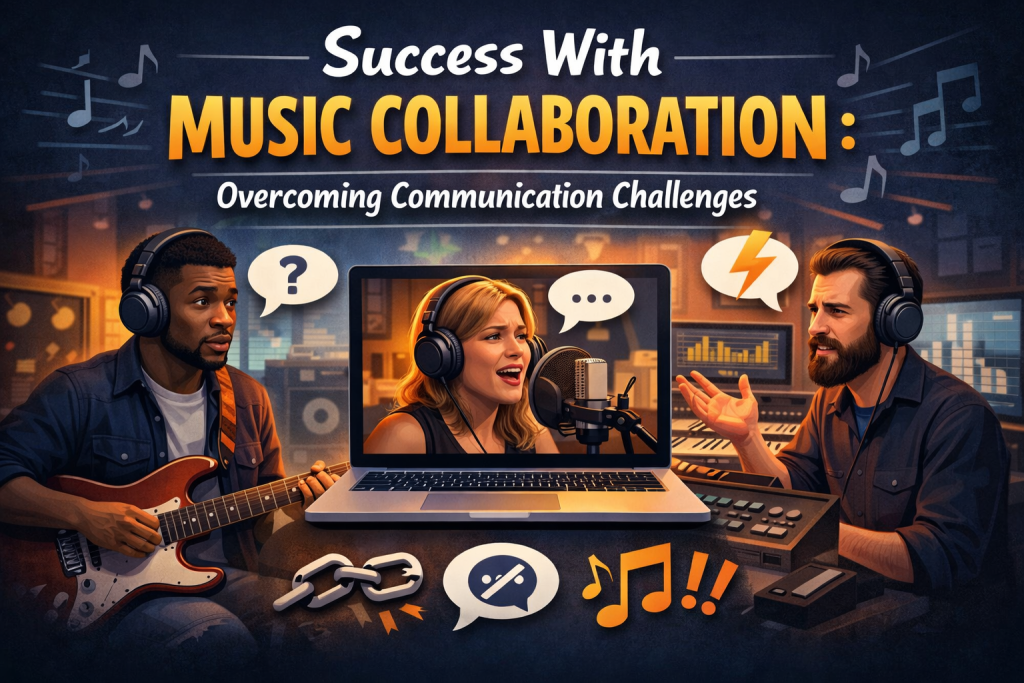
Collaboration is one of the most powerful forces in the creative world. When artists come together, they blend perspectives, skills, and ideas in ways that can lead to groundbreaking work. But collaboration isn’t always effortless. Miscommunication, unclear expectations, and creative differences can derail even the most promising projects.
To help you navigate these challenges, here are essential strategies for achieving success in music collaboration by strengthening communication, building trust, and keeping the creative energy flowing.
1. Establish Clear Goals From the Start
One of the biggest pitfalls in collaboration is unclear expectations. Before you begin creating, take time to discuss the project’s purpose and direction.
Why It Matters
- Prevents misunderstandings
- Aligns everyone’s creative vision
- Keeps the project focused and cohesive
Tip
Create a shared document where everyone can list ideas, goals, references, and expectations. Revisit it regularly to stay aligned.
2. Define Roles and Responsibilities
Ambiguity around roles can lead to confusion, frustration, and creative tension. Clarifying responsibilities early ensures everyone knows what they’re contributing.
Why It Matters
- Reduces overlap and conflict
- Helps each collaborator play to their strengths
- Streamlines the workflow
Tip
Have an open conversation about strengths and preferences. Assign roles based on what each collaborator does best.
3. Practice Active Listening
Great communication isn’t just about expressing your ideas — it’s about truly hearing others.
Why It Matters
- Builds trust
- Prevents misunderstandings
- Encourages deeper creative exchange
Tip
When someone shares an idea, restate it in your own words to confirm understanding before responding.
4. Be Open to Feedback
Feedback is essential in collaboration, but it can also feel vulnerable. Learning to give and receive feedback with grace keeps the creative process healthy and productive.
Why It Matters
- Strengthens the final product
- Encourages growth
- Prevents resentment
Tip
Frame feedback constructively. Focus on improving the project, not criticizing the person.
5. Address Conflicts Early
Creative tension is normal — but ignoring it can lead to resentment and stalled progress. Address issues as soon as they arise.
Why It Matters
- Prevents small issues from becoming big problems
- Keeps the collaboration moving smoothly
- Builds long‑term trust
Tip
Approach conflicts with a problem‑solving mindset. Focus on the issue, not the person. Work together to find a solution that supports the project’s goals.
6. Use the Right Tools for Communication
The tools you choose can make or break your workflow. A centralized communication system keeps everyone organized and reduces misunderstandings.
Why It Matters
- Keeps files and ideas accessible
- Reduces lost messages and confusion
- Supports remote collaboration
Tip
Agree on your communication tools at the start — whether it’s Slack, Google Drive, Trello, or another platform — and make sure everyone knows how to use them.
7. Maintain Regular Check‑Ins
Even when things are going smoothly, regular check‑ins help maintain momentum and prevent small issues from becoming big ones.
Why It Matters
- Keeps everyone accountable
- Ensures consistent progress
- Provides space to realign goals
Tip
Schedule weekly or bi‑weekly meetings to share updates, review progress, and adjust direction as needed.
8. Respect Each Other’s Creative Process
Every artist works differently. Some need quiet time. Some thrive on spontaneity. Some work fast; others need space to refine ideas.
Why It Matters
- Reduces friction
- Encourages empathy
- Helps collaborators bring their best work
Tip
Discuss your creative styles early on. If someone needs more time or prefers a certain workflow, try to accommodate it. Flexibility strengthens collaboration.
Final Thoughts
Successful music collaboration isn’t just about blending sounds — it’s about blending people. Clear communication, mutual respect, and shared goals create the foundation for powerful creative partnerships.
By establishing expectations, listening actively, embracing feedback, and addressing challenges early, you can transform collaboration from a source of stress into a source of inspiration.
Your next great project might be one conversation away.
Further Reading:
Resources to help you go deeper
- learn more in How to EQ Your Feelings
- dive deeper with The Musician’s Tech Toolbox
- explore Producer’s Guide to Avoiding Human Contact