
Creating Engaging Content: Storytelling for Music Blogs
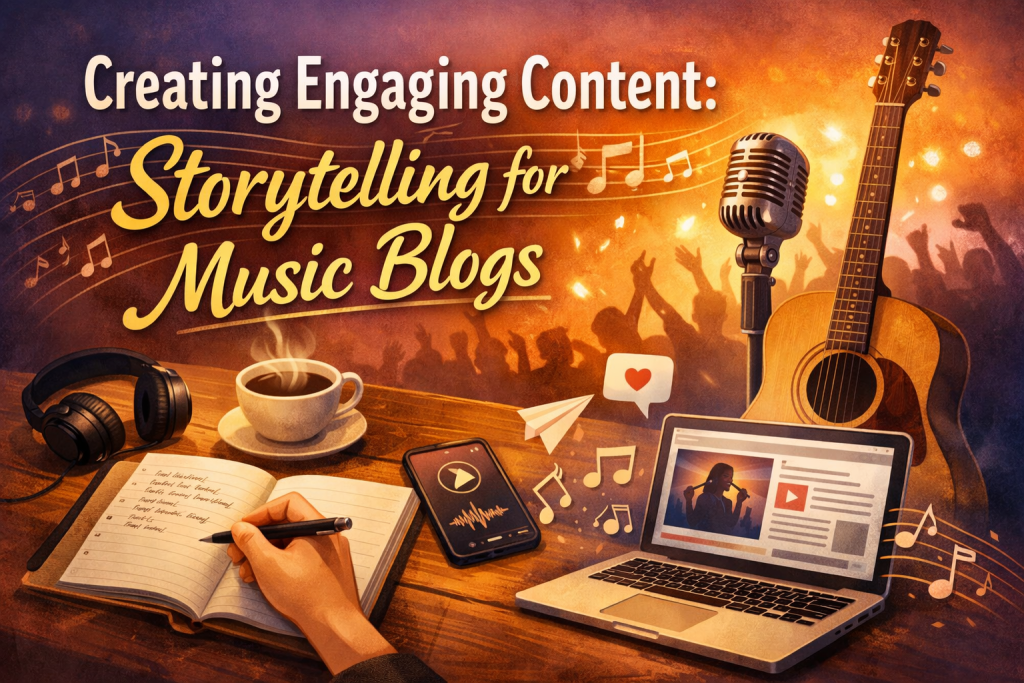
Creating Engaging Content: Storytelling for Music Blogs
How to use storytelling in music blogs
In the world of music blogging, content is king. But not just any content—content that resonates, engages, and leaves a lasting impression on your readers. One of the most powerful tools you can use is storytelling. By weaving compelling narratives into your blog, you can connect with your audience on a deeper level, turning casual readers into loyal followers. This post explores the art of storytelling in music blogs and shows you how to create content that informs, inspires, and captivates.
Understanding the Elements of a Good Story
What Makes a Story Engaging?
Every compelling story contains three essential components:
- Characters — the people at the heart of the narrative
- Conflict — the challenge or tension that drives the story
- Resolution — the outcome or lesson learned
In a music blog, your “characters” might be you, your band, collaborators, or fans. The “conflict” could be creative struggles, touring challenges, or emotional turning points. The “resolution” is what you learned, created, or overcame.
The Role of Emotion in Storytelling
Emotion is what makes stories memorable. Music is inherently emotional, and when your writing taps into those feelings—joy, nostalgia, heartbreak, triumph—you create a powerful bond with your readers.
Creating Relatable and Authentic Narratives
Authenticity is essential. Readers can sense when a story feels forced. Share real experiences, honest reflections, and genuine emotions. Authentic storytelling builds trust and keeps readers coming back.
Incorporating Storytelling in Music Blogs
Sharing Personal Journeys
Your personal journey is one of the most compelling storytelling tools you have. Share how you started making music, the obstacles you’ve faced, and the milestones you’ve reached. These stories humanize you and invite readers into your world.
Examples include:
- The inspiration behind a song or album
- A breakthrough moment in the studio
- The emotions of performing live for the first time
Writing About the Creative Process
Fans love behind‑the‑scenes insights. Share how your songs evolve, where you find inspiration, and how you navigate creative blocks.
You might write about:
- A song that changed direction mid‑production
- A lyric that took months to perfect
- A collaboration that reshaped your sound
Engaging with Fan Stories
Fan stories add richness and community to your blog. Feature fan experiences, testimonials, or memorable interactions. These stories show appreciation and deepen the connection between you and your audience.
Consider:
- Guest posts from fans
- A recurring “fan spotlight” section
- Stories about how your music impacted listeners
Techniques for Effective Storytelling
Using Vivid Imagery and Descriptive Language
Great storytelling paints a picture. Use sensory details—sights, sounds, emotions—to bring moments to life. Instead of saying “the concert was amazing,” describe the lights, the crowd, the adrenaline, the atmosphere.
Structuring Your Story for Maximum Impact
A strong structure keeps readers engaged:
- Hook — an intriguing opening
- Build‑up — the details, challenges, or emotions
- Resolution — what happened, what changed, or what you learned
This structure mirrors the natural rhythm of human experience.
Pacing and Rhythm in Your Writing
Just like music, storytelling benefits from rhythm. Vary sentence length, mix short punchy lines with longer reflective ones, and use pacing to build tension or create calm.
Creating Content That Resonates
Aligning Stories with Your Brand
Your storytelling should reflect your musical identity. Whether you’re introspective, rebellious, experimental, or soulful, your stories should reinforce the tone and personality of your brand.
Writing for Your Target Audience
Think about who your readers are and what they care about.
- Emerging artists may want stories about creative struggles.
- Long‑time fans may prefer behind‑the‑scenes insights.
- Casual readers may enjoy broader industry stories with personal touches.
Tailoring your content ensures deeper resonance.
Incorporating Visuals to Enhance Your Stories
Visuals elevate storytelling. Include:
- Photos from studio sessions
- Clips from live performances
- Graphics or lyric sheets
- Short videos or behind‑the‑scenes footage
Visuals make your stories more immersive and memorable.
Promoting Your Storytelling Content
Sharing Stories on Social Media
Share snippets, quotes, or visuals from your blog posts on platforms like Instagram, Twitter, and Facebook. Use compelling captions to draw readers to the full post.
Collaborating with Other Bloggers and Artists
Guest posts, interviews, and collaborative storytelling projects can introduce your blog to new audiences and add fresh perspectives.
Encouraging Reader Interaction and Feedback
Invite readers to comment, share their own stories, or answer questions at the end of your posts. Highlighting reader contributions builds community and strengthens engagement.
Conclusion
Storytelling is one of the most powerful tools in music blogging. By crafting authentic, engaging narratives, you can connect with your audience on a deeper level and transform your blog into a space for inspiration, connection, and community. Start experimenting with storytelling techniques and watch your content become more compelling and impactful.
FAQs
1. What types of stories resonate best with music blog readers?
Personal journeys, behind‑the‑scenes insights, and fan experiences tend to resonate most because they create emotional connection and authenticity.
2. How can I improve my storytelling skills for blogging?
Practice regularly, read other storytellers, and focus on authenticity. Experiment with different techniques to find your voice.
3. Should I focus on personal stories or broader industry topics?
A mix works best. Personal stories build connection, while broader topics attract wider readership and provide valuable insights.
4. How often should I incorporate storytelling in my blog posts?
Most posts benefit from at least a small storytelling element, even if it’s just a short anecdote or personal reflection.
5. What are common mistakes to avoid in storytelling?
Avoid being overly dramatic, inauthentic, or long‑winded. Keep pacing tight and ensure your story serves the purpose of the post.
Further Reading:
Resources to help you go deeper
- check out Branding & Networking for Bands
- grab your copy of Build a Brand That Feels Like You
- learn more in E-Commerce SEO Strategies
- dive deeper with Pitch Yourself Without Cringing
- explore Indie Artist’s Monetization Manual
- check out The Musician’s Marketing Playbook
- grab your copy of Ultimate Musician’s Website Guide
- learn more in Vulnerable Creator’s Marketing Playbook