

Fan Feedback: Handling Criticism and Building Resilience
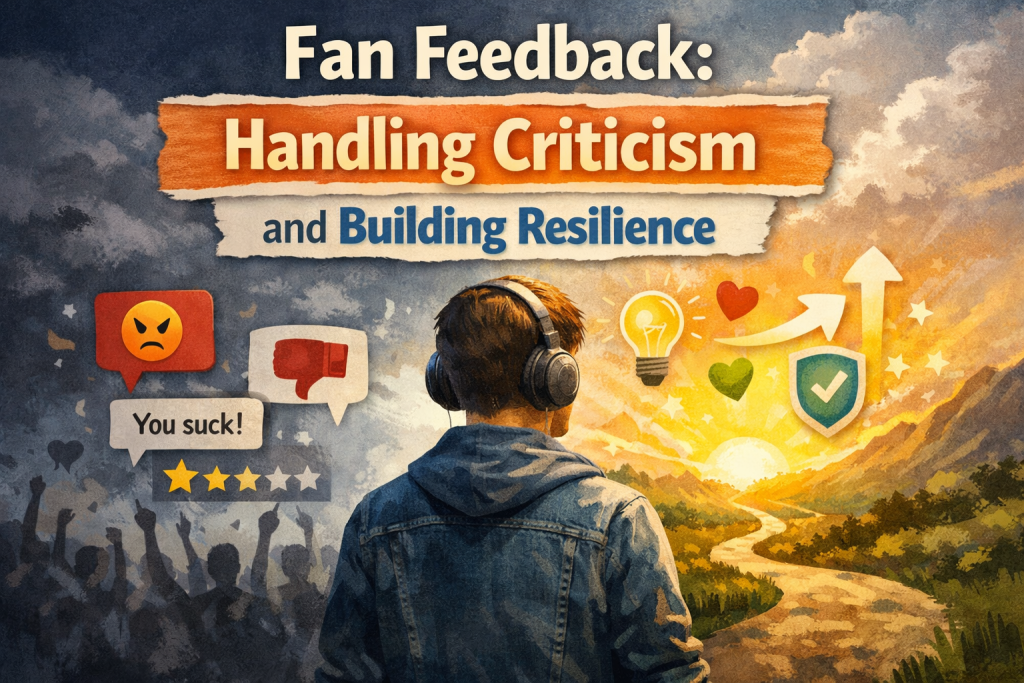
Fan Feedback: Handling Criticism and Building Resilience
As a musician, fan feedback is an inevitable part of your journey. Praise feels great, but it’s often the criticism—the uncomfortable, unexpected, or blunt comments—that shape your growth the most. How you respond to feedback can influence your artistic development, your confidence, and your relationship with your audience. This guide explores how to manage fan feedback constructively, handle criticism with grace, and build the resilience needed to thrive in the music industry.
The Importance of Fan Feedback
Fan feedback is more than noise—it’s a valuable source of insight. Here’s why it matters:
1. Understanding Audience Preferences
Feedback helps you understand what resonates with your fans and what doesn’t. This insight can guide your creative decisions and help you stay aligned with your audience’s evolving tastes.
2. Personal and Professional Growth
Constructive criticism highlights areas for improvement. It challenges you to refine your craft and pushes you toward becoming a stronger, more intentional artist.
3. Strengthening Fan Relationships
Engaging with feedback—positive or negative—shows fans that you value their opinions. This builds trust, loyalty, and a deeper sense of community around your music.
Handling Criticism Gracefully
Criticism can sting, especially when you’ve poured your heart into your work. But how you respond can either strengthen your credibility or undermine it. Here’s how to handle criticism with professionalism and confidence.
1. Separate Yourself from Your Work
Your music is an expression of you, but it is not you. Criticism of your art is not a personal attack.
- Don’t take it personally: Not everyone will connect with your music. That’s normal.
- Focus on the message, not the tone: Even poorly delivered criticism may contain something useful.
2. Respond with Gratitude
Your instinct may be to defend yourself—but gratitude goes further.
- Thank the critic: A simple “Thanks for the feedback” shows maturity and openness.
- Acknowledge valid points: If the critique is fair, let them know you appreciate the insight.
3. Reflect Before Responding
Avoid reacting impulsively.
- Pause and breathe: Give yourself time to cool down before responding.
- Consider the source: A long‑time fan or fellow musician may offer more valuable insight than a random commenter.
4. Engage Constructively
Turn criticism into conversation.
- Ask for specifics: If feedback is vague, ask for clarification.
- Share your perspective: Explain your artistic choices respectfully, without defensiveness.
Building Resilience in the Face of Criticism
Resilience is essential for long‑term success in the music industry. It helps you bounce back from setbacks, stay motivated, and continue growing.
1. Embrace a Growth Mindset
A growth mindset helps you see criticism as an opportunity, not a threat.
- See criticism as feedback, not failure
- Learn from mistakes and use them to refine your craft
2. Surround Yourself with Support
A strong support system keeps you grounded.
- Seek constructive critique from trusted peers
- Lean on your community when negative feedback feels overwhelming
3. Focus on Your Vision
Stay anchored in your purpose.
- Set personal goals that reflect your artistic vision
- Stay passionate by focusing on what brings you joy in your work
4. Practice Self‑Care
Your mental and emotional well‑being matter.
- Take breaks when criticism becomes too much
- Develop healthy coping strategies like exercise, meditation, or talking to a therapist
Conclusion
Fan feedback is an integral part of your growth as a musician. While criticism can be challenging, handling it with grace and building resilience will strengthen both your artistry and your connection with your audience. By embracing a growth mindset, surrounding yourself with support, staying true to your vision, and practicing self‑care, you can navigate feedback constructively and continue thriving in your musical journey. Every piece of feedback—positive or negative—is an opportunity to learn, evolve, and become the best version of yourself as an artist.
Further Reading:
Resources to help you go deeper
- learn more in How to EQ Your Feelings
- dive deeper with The Musician’s Tech Toolbox
- explore Producer’s Guide to Avoiding Human Contact