

A Step-by-Step Guide to Creating Your Personal Sustainability Plan in One Afternoon
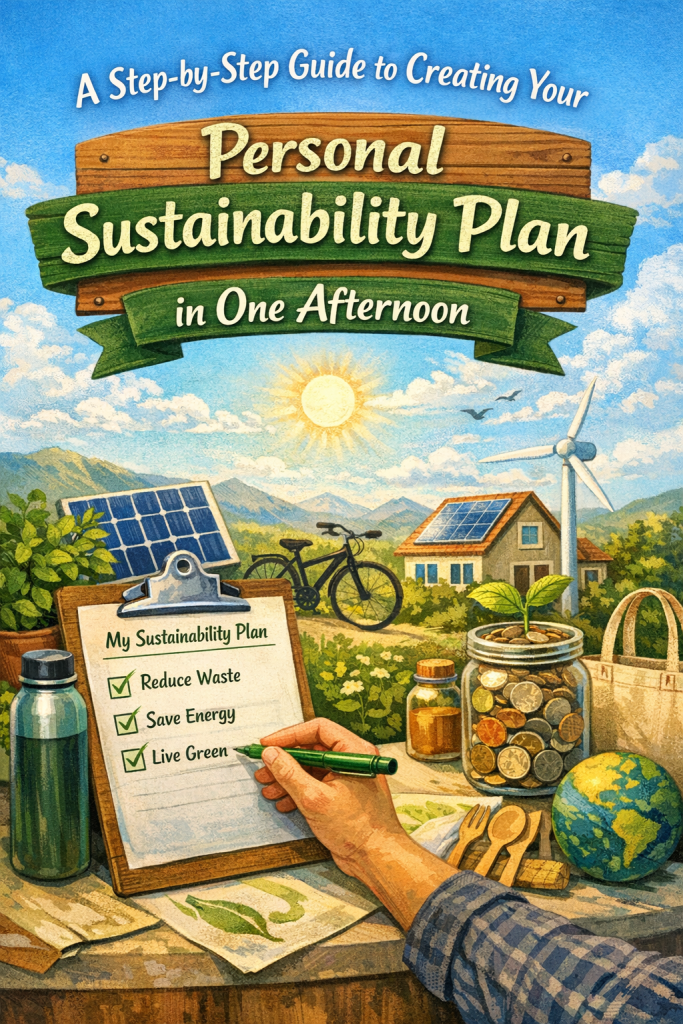
A personal sustainability plan created in a single afternoon works because it gives you a focused window to pause, reset, and realign your daily choices with what matters most. Instead of trying to overhaul your entire lifestyle, you identify a handful of meaningful shifts that support your well‑being, your finances, and the environment. The goal isn’t perfection—it’s clarity, intention, and momentum. When your plan reflects your real life, it becomes something you can actually follow, not a list of ideals that gather dust.
A Step‑by‑Step Guide to Creating Your Personal Sustainability Plan in One Afternoon
Sustainability is often framed as a massive lifestyle overhaul—zero‑waste homes, solar panels, electric cars, and perfectly curated eco‑friendly products. But real sustainability begins with small, consistent choices that reduce waste, conserve resources, and support your well‑being. A personal sustainability plan helps you identify those choices and turn them into habits that feel natural rather than forced.
Creating your plan in a single afternoon works because it limits overthinking. You’re not trying to solve everything—you’re choosing what matters most and designing simple steps that fit your life.
Clarify What Sustainability Means in Your Life
Sustainability is a broad concept, and your plan becomes far more effective when you define it for yourself. For some people, sustainability is about reducing environmental impact. For others, it’s about financial stability, personal health, or community connection. Often, it’s a blend of all these areas.
Common dimensions of personal sustainability
- Environmental choices — reducing waste, conserving energy, choosing low‑impact products
- Financial stability — spending intentionally, reducing unnecessary purchases, building resilience
- Personal well‑being — managing stress, improving health, creating supportive routines
- Community engagement — supporting local businesses, volunteering, participating in shared resources
When you define your priorities, you avoid generic goals and create a plan that reflects your real values.
A quick exercise to clarify your definition
Take five minutes and write down your answers to these questions:
- What does “sustainable living” mean to me personally?
- Which areas of my life feel out of alignment with my values?
- What would a more sustainable version of my daily routine look like?
- What motivates me most—saving money, reducing waste, improving health, or something else?
This clarity becomes the foundation for every decision you make in your plan.
Assess Your Current Habits with Honesty and Curiosity
Before you decide what to change, you need to understand what’s already happening. A quick audit of your daily routines reveals where small shifts can have a big impact.
Areas to examine
- Shopping habits — Do you buy more than you use? Are there items you could borrow, repair, or buy secondhand?
- Food routines — How much food goes to waste? Do you rely on takeout? Are you using what you already have?
- Energy use — Are lights left on? Are devices plugged in constantly?
- Water use — Are showers long? Are there leaks?
- Home management — Are there unused items that could be repurposed or donated?
- Transportation — Are there opportunities to walk, bike, carpool, or combine errands?
- Well‑being habits — Are you sleeping enough? Managing stress? Moving your body?
The goal is not self‑criticism. It’s awareness. You’re simply noticing patterns so you can choose what to adjust.
A simple 10‑minute audit
Make two lists:
- What’s working — habits that already support sustainability
- What’s draining — habits that waste time, money, energy, or emotional bandwidth
This gives you a clear picture of where to focus your plan.
Gather Ideas and Practices That Align With Your Goals
Once you understand your priorities and current habits, spend 10–15 minutes gathering ideas that support your goals. This is not a deep research project—it’s a quick inspiration sprint.
Where to look
- Articles or blogs about sustainable living
- Local community groups or sustainability initiatives
- Books or podcasts on minimalism, eco‑living, or personal well‑being
- Local resources like farmers markets, repair cafés, or community gardens
What you’re looking for
- Practices that feel doable
- Ideas that align with your values
- Habits that fit your lifestyle
- Low‑cost or no‑cost changes
- Actions that create meaningful impact
Avoid overwhelming yourself with long lists. Choose a handful of ideas that genuinely resonate.
Turn Your Goals Into Clear, Actionable Steps
This is where your plan becomes real. Vague intentions like “reduce waste” or “be more sustainable” don’t lead to change. Actionable steps do.
Examples of turning goals into actions
Goal: Reduce food waste
- Plan meals for 3–4 days at a time
- Store produce properly to extend freshness
- Freeze leftovers instead of letting them spoil
- Start a small compost bin
Goal: Lower energy use
- Adjust thermostat by 2–3 degrees
- Unplug devices when not in use
- Switch to LED bulbs as old ones burn out
- Wash clothes in cold water
Goal: Support local businesses
- Choose one weekly purchase to source locally
- Visit the farmers market once a month
- Buy gifts from local artisans
Goal: Improve personal well‑being
- Create a consistent sleep routine
- Add a 10‑minute morning walk
- Reduce screen time before bed
- Prepare simple, nourishing meals
Why specificity matters
- It reduces decision fatigue
- It makes progress measurable
- It turns ideas into habits
- It builds confidence through small wins
Your plan should feel like a list of doable steps, not a wishlist of ideals.
Create a Timeline That Supports Consistency
A timeline helps you stay accountable without feeling pressured. It gives your plan structure and keeps you moving steadily.
How to build your timeline
- Immediate actions (today or this week) — small habits that require little effort
- Short‑term actions (this month) — habits that need setup or adjustment
- Long‑term actions (3–6 months) — habits that require planning or investment
Examples
Immediate
- Unplug unused devices
- Declutter your fridge
- Take a shorter shower
Short‑term
- Create a meal‑planning routine
- Switch to reusable shopping bags
- Start composting
Long‑term
- Reduce car trips by combining errands
- Build a capsule wardrobe
- Transition to bulk buying for pantry staples
A visual timeline or checklist helps you track progress and stay motivated.
Implement Your Plan and Adjust as You Learn
Sustainability is not a rigid system—it’s a living practice. As you implement your plan, you’ll discover what works well, what needs adjustment, and what feels surprisingly easy.
How to stay flexible
- Check in weekly or monthly
- Celebrate small wins
- Adjust steps that feel unrealistic
- Add new habits as old ones become routine
- Remove habits that don’t serve you
Your plan should evolve with your life, not lock you into expectations that no longer fit.
Signs your plan is working
- You feel more aligned with your values
- Your home feels calmer and more intentional
- You’re spending less on unnecessary items
- You’re wasting less food, energy, and time
- You feel more grounded and in control
Sustainability becomes easier when it feels like a natural extension of your daily rhythms.
Bringing It All Together
A personal sustainability plan created in one afternoon doesn’t need to be perfect—it needs to be yours. When you define what sustainability means to you, assess your habits with curiosity, gather meaningful ideas, turn them into actionable steps, and create a timeline that supports consistency, you build a plan that is both realistic and energizing.
Over time, these small, intentional choices compound into a lifestyle that supports your well‑being, your finances, and the environment. Sustainability becomes less about doing everything and more about doing what matters.
As you think about your own plan, which area feels like the most meaningful place to start—waste reduction, energy use, food systems, financial sustainability, or personal well‑being?
- dive deeper with The Musician’s Marketing Playbook
- check out Vulnerable Creator’s Marketing Playbook
- grab your copy of Pitch Yourself Without Cringing
- explore Build a Brand That Feels Like You