

Sustainable Living on a Budget: Tips for Making Eco-Friendly Choices Without Breaking the Bank
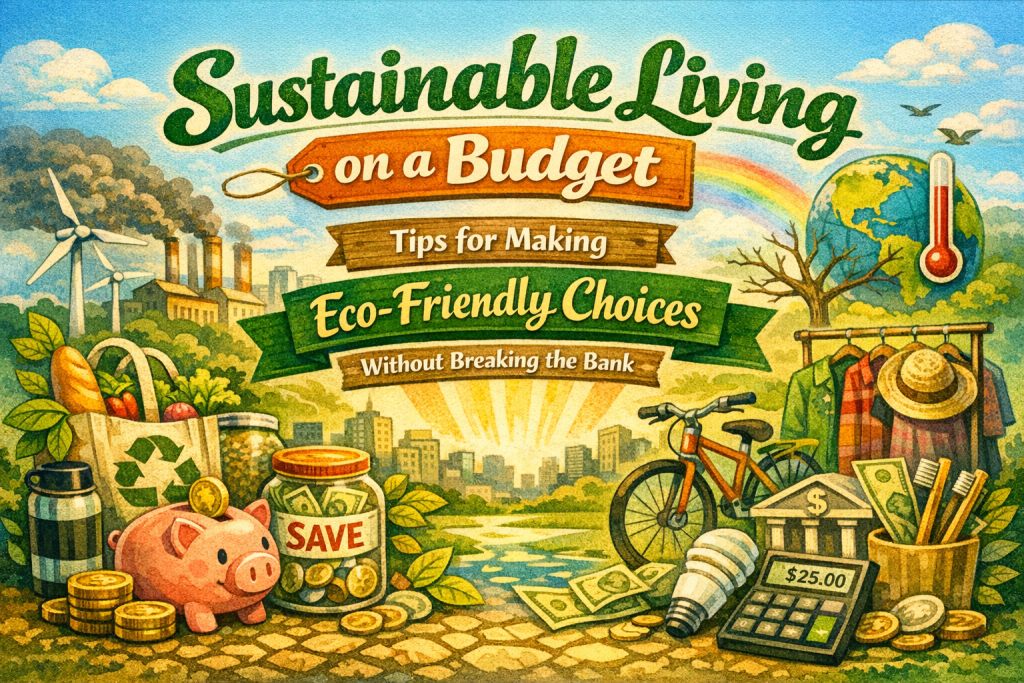
A budget‑friendly sustainable lifestyle works because it aligns three things that naturally reinforce each other: reducing waste, lowering costs, and simplifying daily life. When you focus on habits that reuse what you already have, minimize unnecessary purchases, and make small, intentional choices, sustainability stops being an expensive ideal and becomes an accessible, everyday practice. These shifts don’t require specialty products or dramatic lifestyle changes—they’re grounded in awareness, consistency, and the cumulative power of small actions.
🌿 Everyday Habits That Reduce Waste and Save Money
Waste reduction is one of the easiest and most affordable ways to live sustainably because it immediately lowers both environmental impact and household expenses. Many of the most effective habits cost nothing at all.
Reusable bags, bottles, and containers eliminate the need to constantly buy disposable versions. They also reduce clutter and streamline your routines—no more overflowing drawers of plastic bags or stacks of takeout containers. Once these habits become automatic, they save time, money, and mental energy.
Buying only what you need—and using what you already own—is one of the most powerful zero‑cost strategies. It reduces waste at the source and helps you avoid impulse purchases that drain your budget.
🛒 Shopping Locally to Support Community and Cut Emissions
Local shopping reduces the environmental cost of long‑distance shipping and keeps money circulating within your community. Farmers markets, small shops, and local makers often offer fresher food, higher‑quality goods, and more transparent sourcing.
Because local items travel shorter distances, they generate fewer emissions and require less packaging. Seasonal produce is often more affordable, too, because you’re not paying for transportation or storage.
This approach also builds community resilience—supporting local businesses strengthens the local economy and fosters relationships that make your neighborhood more vibrant and connected.
♻️ Choosing Second‑Hand as a Sustainable Default
Second‑hand shopping is one of the most budget‑friendly sustainability strategies available. Thrift stores, consignment shops, online marketplaces, and yard sales offer clothing, furniture, books, and household items at a fraction of the cost of buying new.
Choosing pre‑owned items reduces demand for new manufacturing, which is one of the largest contributors to carbon emissions and resource extraction. It also encourages creativity—mixing styles, repurposing items, and finding unique pieces that reflect your personality.
Second‑hand doesn’t mean second‑best. It often means higher quality, longer lifespan, and far lower cost.
🚶 Low‑Cost Transportation Choices That Reduce Emissions
Transportation is a major source of carbon emissions, and small shifts can make a meaningful difference. Walking, biking, carpooling, and using public transit reduce fuel costs, vehicle wear, and environmental impact.
Even combining errands into a single trip lowers emissions and saves time. These habits also support physical well‑being, making them both eco‑friendly and personally beneficial.
You don’t need to give up your car to make progress—just using it more intentionally creates measurable change.
🧼 DIY Cleaning and Personal Care for Health and Savings
Homemade cleaning products are inexpensive, effective, and free from harsh chemicals. Simple ingredients like vinegar, baking soda, and castile soap can replace many commercial cleaners.
Making your own products reduces packaging waste and eliminates the need for multiple specialized items. It also gives you more control over the ingredients in your home, supporting both environmental and personal health.
DIY doesn’t have to be complicated—many recipes take less than a minute to mix and cost pennies per use.
🔗 How These Habits Work Together
Each of these budget‑friendly choices reinforces the others:
- Reducing waste lowers consumption.
- Buying second‑hand reduces demand for new goods.
- Local shopping supports community resilience.
- DIY products reduce packaging and chemical exposure.
- Transportation choices reduce emissions and save money.
Together, they create a lifestyle that is affordable, intentional, and environmentally responsible. The more these habits become part of your routine, the easier they are to maintain—and the more natural sustainability feels.
As you look at your own routines, which of these budget‑friendly sustainable habits feels like the most natural place to build momentum next?
- dive deeper with The Musician’s Marketing Playbook
- check out Vulnerable Creator’s Marketing Playbook
- grab your copy of Pitch Yourself Without Cringing
- explore Build a Brand That Feels Like You