

Sustainability Made Simple: A Beginner’s Guide to Eco‑Friendly Living
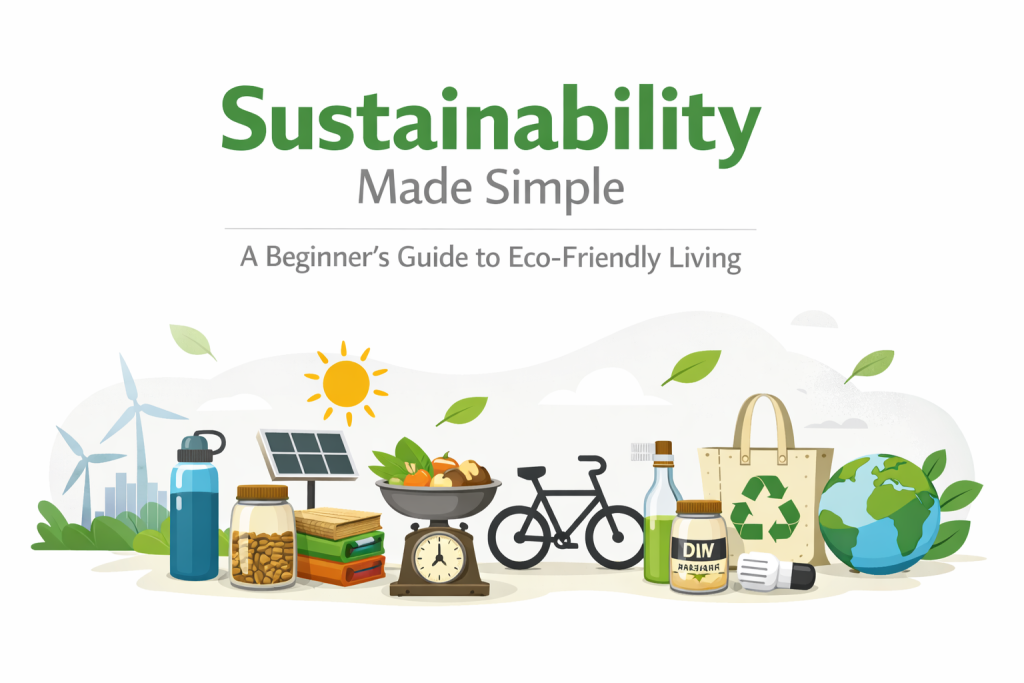
Sustainable living becomes far more approachable when you frame it as a series of small, repeatable choices rather than a dramatic lifestyle overhaul.
Sustainability Made Simple: A Beginner’s Guide to Eco‑Friendly Living
Small Habits That Create Big Impact
Sustainable living often feels intimidating because it’s presented as an all‑or‑nothing transformation—zero waste, plastic‑free, off‑grid, perfectly ethical. But real sustainability doesn’t look like perfection. It looks like small, consistent choices that reduce waste, conserve energy, and support healthier ecosystems. These small shifts build momentum, and over time, they reshape both your habits and your impact.
Starting small matters because it keeps the journey realistic. Big, sudden changes often lead to burnout, but manageable habits create a ripple effect that benefits both the planet and your daily life.
🌿 Reduce Single‑Use Plastics
Single‑use plastics are one of the easiest and most visible places to begin. These items are used for minutes but last for centuries, and simple swaps can dramatically reduce your waste footprint.
A few beginner‑friendly changes include:
- Using reusable water bottles instead of disposable ones
- Bringing your own grocery bags and produce bags
- Carrying a reusable coffee cup or travel mug
- Choosing products with minimal or recyclable packaging
These small shifts prevent plastic from entering landfills and oceans, and they quickly become second nature.
💡 Lower Your Energy Consumption
Energy efficiency is one of the most impactful ways to reduce your carbon footprint—and it often saves money, too. You don’t need major upgrades to make a difference.
Simple habits include:
- Switching to energy‑efficient appliances when possible
- Using natural light during the day
- Turning off electronics and unplugging chargers when not in use
- Adjusting thermostat settings to reduce heating and cooling demands
- Replacing old bulbs with LEDs
If it’s feasible, renewable energy options like solar panels can further reduce your environmental impact, but even small daily choices add up over time.
🥕 Choose Local and Organic Foods
Food choices play a major role in sustainable living. The way food is grown, transported, and consumed affects everything from soil health to carbon emissions.
Begin with approachable shifts:
- Buying local produce to reduce transportation emissions and support nearby farmers
- Choosing organic when possible to avoid harmful pesticides
- Planning meals to reduce food waste
- Composting food scraps to return nutrients to the soil
These habits support both environmental health and personal well‑being, and they help you build a more mindful relationship with what you eat.
🔄 Build Sustainable Routines
Sustainability becomes easier when it’s woven into your daily life. Instead of trying to change everything at once, focus on building routines that feel natural and repeatable.
Helpful approaches include:
- Starting with one or two habits and building from there
- Staying mindful of your choices without striving for perfection
- Celebrating small wins—they’re the foundation of long‑term change
- Replacing “all‑or‑nothing” thinking with “better than before” thinking
Sustainable living is a journey, not a destination. Progress matters more than perfection.
🌎 Moving Forward With Confidence
By reducing plastic use, conserving energy, choosing local foods, and making mindful daily choices, you can live more sustainably without feeling overwhelmed. Each step you take contributes to a healthier planet and a more intentional lifestyle. Over time, these habits compound into meaningful change—both for you and for the world around you.
Which area—plastic reduction, energy use, food choices, or daily routines—feels like the easiest place for you to begin right now?