

Uncovering the Reasons Why You Feel Tired All the Time
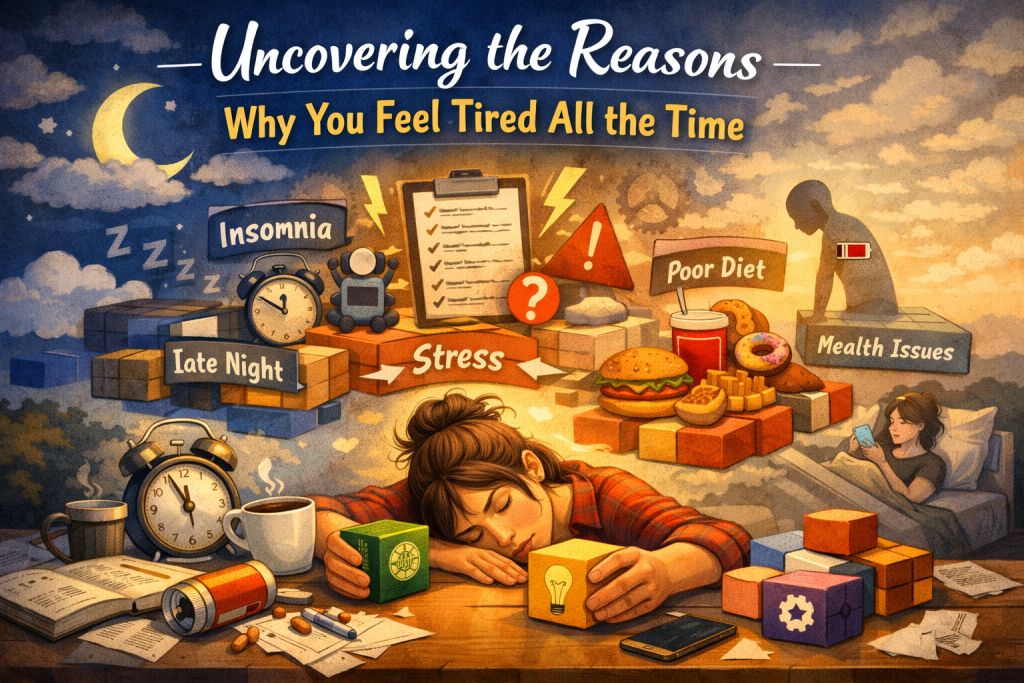
Feeling tired all the time is common, but persistent fatigue deserves attention. Because ongoing tiredness can have medical causes, it’s important to speak with a qualified healthcare professional—especially if your fatigue is worsening, long‑lasting, or interfering with daily life. A clinician can help rule out conditions such as anemia, thyroid disorders, sleep apnea, or other issues that require medical evaluation. Alongside that professional support, understanding the lifestyle patterns that commonly drain energy can help you make changes that support your well‑being.
Understanding Why Fatigue Shows Up So Often
Fatigue is rarely caused by a single factor. More often, it’s the accumulation of small stressors—sleep disruptions, inconsistent nutrition, dehydration, emotional strain, or low movement—that gradually erode your energy. When you look at these areas together, patterns begin to emerge. Each one influences your nervous system, metabolism, and cognitive clarity, which is why addressing them holistically often leads to the biggest improvement.
How Sleep Patterns Shape Your Daily Energy
Sleep is the foundation of physical and mental restoration. When your sleep is irregular or disrupted, your body struggles to regulate hormones, repair tissues, and consolidate memory. Even if you’re technically “in bed” for enough hours, the quality of sleep matters.
Common sleep disruptors include:
- Irregular bedtimes and wake times
- Late‑night screen use that interferes with melatonin
- Stress that keeps your mind active
- Environmental factors like noise or light
Supportive sleep habits often include:
- A consistent sleep schedule
- A calming pre‑sleep ritual
- Reduced stimulation in the hour before bed
- A dark, cool, quiet sleep environment
When sleep improves, energy, mood, and cognitive clarity often follow.
How Nutrition Influences Energy Stability
Food is your body’s fuel, and the type of fuel you choose affects how steadily your energy flows throughout the day. Diets high in sugar or processed foods can create quick spikes followed by sharp crashes. Caffeine can temporarily mask tiredness but may disrupt sleep later, creating a cycle of fatigue.
Supportive nutrition habits include:
- Balanced meals with protein, whole grains, fruits, vegetables, and healthy fats
- Regular eating patterns that prevent long gaps
- Limiting high‑sugar foods that cause energy swings
- Being mindful of caffeine timing
When your blood sugar is stable, your energy tends to be stable too.
Hydration as a Simple but Powerful Factor
Even mild dehydration can cause fatigue, headaches, and difficulty concentrating. Many people underestimate how much water they need, especially during busy or stressful days.
Helpful hydration habits include:
- Keeping water within reach
- Drinking consistently throughout the day
- Adding electrolytes when sweating or exercising
- Eating water‑rich foods like fruits and vegetables
Hydration is one of the quickest ways to support energy and cognitive function.
How Stress and Mental Load Drain Your Energy
Chronic stress places a significant burden on the body. When your mind is constantly managing responsibilities, worries, or emotional strain, your nervous system stays in a heightened state. This drains energy, disrupts sleep, and affects appetite and motivation.
Supportive stress‑regulation practices include:
- Meditation or breathing exercises
- Gentle movement
- Talking with a mental health professional
- Setting boundaries around work and obligations
- Creating small daily rituals that help you reset
Reducing mental load often leads to noticeable improvements in energy.
Why Movement Boosts Energy Instead of Draining It
It may seem counterintuitive, but regular physical activity often increases energy rather than depleting it. Movement improves circulation, supports sleep, and releases chemicals that enhance mood and alertness.
Supportive movement habits include:
- Short walks
- Gentle stretching
- Low‑impact exercise
- Activities you enjoy and can sustain
Even a few minutes of movement can shift your energy noticeably.
When to Seek Professional Support
Fatigue can be a symptom of underlying medical conditions. It’s important to consult a healthcare professional if your tiredness:
- Persists despite lifestyle adjustments
- Is severe or worsening
- Interferes with daily functioning
- Is accompanied by symptoms like unexplained weight changes, persistent low mood, shortness of breath, or changes in appetite
A clinician can help identify or rule out medical causes and guide you toward appropriate care.
Bringing These Factors Together
Fatigue is often a message from your body asking for support. When you look at sleep, nutrition, hydration, stress, and movement together, you begin to see how interconnected they are. Small shifts in one area often create positive ripple effects in others. Over time, these changes help you build a more stable, sustainable baseline of energy.
As you reflect on your own experience with tiredness, which area feels most connected to what you’ve been noticing lately—sleep, stress, nutrition, hydration, or movement?