

Effective Networking Techniques for Introverts
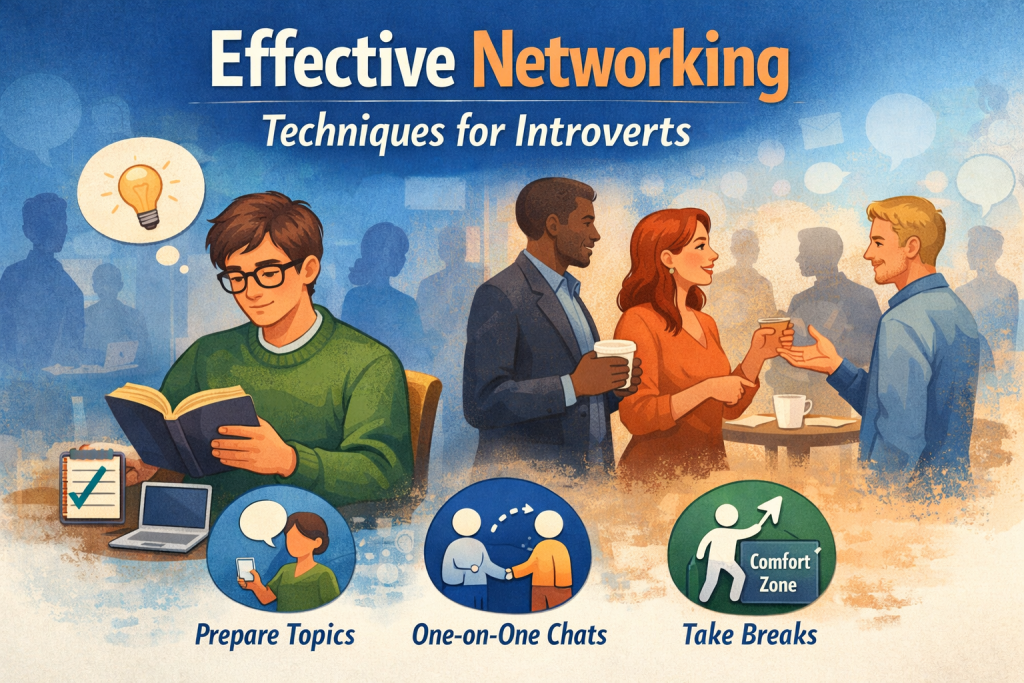
Effective Networking Techniques for Introverts
Networking is an essential skill in both personal and professional settings. It opens doors to new opportunities, provides support, and helps you grow in your career. But for many people—especially those who are shy or introverted—the idea of networking can feel overwhelming. Approaching strangers, initiating conversations, and building connections may seem intimidating, but networking doesn’t have to be stressful.
With the right strategies, even the quietest individuals can become confident, effective networkers. This guide explores practical techniques for overcoming shyness and building meaningful connections that can enhance your personal and professional life.
Understanding the Importance of Networking
Why Networking Matters
Networking isn’t just about meeting people—it’s about building relationships that help you reach your goals. A strong network can provide:
- Career opportunities
- Business growth
- Mentorship and guidance
- Collaborations and partnerships
- Access to new ideas and perspectives
Many opportunities arise through relationships, not job boards.
The Challenges of Networking for Shy Individuals
Introverts often face unique challenges:
- Fear of rejection
- Pressure to make a good impression
- Discomfort in social situations
- Feeling drained by large groups
The good news: networking is a skill, not a personality trait. With practice and the right approach, anyone can improve.
Strategies for Overcoming Shyness in Networking
Start with Small Steps
If big events feel intimidating, begin with low‑pressure interactions:
- Talk to colleagues or classmates
- Reach out to acquaintances
- Practice small talk in everyday situations
Small wins build confidence.
Prepare in Advance
Preparation reduces anxiety. Before an event:
- Research attendees or speakers
- Identify a few people you’d like to meet
- Prepare conversation starters or questions
Having a plan makes approaching others easier.
Focus on Listening
Introverts often excel at listening—use that strength.
- Ask open‑ended questions
- Show genuine interest
- Let conversations unfold naturally
People appreciate being heard, and listening builds trust.
Use Your Strengths
Introverts thrive in:
- One‑on‑one conversations
- Deep, meaningful discussions
- Smaller, quieter environments
Instead of “working the room,” focus on connecting deeply with a few people.
Set Realistic Goals
Avoid overwhelming yourself. Instead of meeting everyone, aim for:
- Two or three meaningful conversations
- One new connection
- One follow‑up action
Quality beats quantity.
Practice Makes Progress
The more you network, the easier it becomes. Start small, then gradually attend larger events as your confidence grows.
Building and Maintaining Connections
Follow Up After Events
Networking doesn’t end when the event does. Strengthen connections by:
- Sending a personalized email
- Connecting on LinkedIn
- Mentioning something specific from your conversation
Thoughtful follow‑up sets you apart.
Offer Help and Value
Networking is a two‑way street. Ask yourself:
- What can I offer
- Can I share a resource
- Can I make an introduction
Providing value builds goodwill and deepens relationships.
Stay Consistent
Maintain your network by:
- Checking in periodically
- Sharing relevant articles
- Meeting for coffee or virtual chats
Consistency keeps relationships alive.
Leverage Social Media
Platforms like LinkedIn, Twitter, and Instagram allow introverts to network at their own pace.
- Join industry groups
- Comment on posts
- Share insights
- Engage in discussions
Online networking can feel less intimidating and more manageable.
Attend Industry Events and Conferences
These events provide structured opportunities to meet people with similar interests. Workshops and panels also give you natural conversation starters.
Overcoming Common Networking Fears
Fear of Rejection
Rejection is normal and not personal. If someone isn’t interested in connecting, simply move on. Your value isn’t diminished.
Imposter Syndrome
Feeling like you don’t belong is common. Remind yourself:
- You have strengths
- You have valuable experiences
- You deserve to be in the room
Everyone starts somewhere.
Social Anxiety
If anxiety is a barrier, try:
- Deep breathing
- Visualization
- Positive self‑talk
If needed, consider support from a mental health professional.
Conclusion
Networking is a powerful skill that can open doors, create opportunities, and support your personal and professional growth. While it may feel challenging for introverts or shy individuals, it’s absolutely possible to become an effective networker with the right strategies.
By starting small, preparing in advance, focusing on listening, and leveraging your natural strengths, you can build meaningful, lasting connections. Remember: networking is about quality, not quantity. With practice and consistency, it can become not only manageable—but genuinely enjoyable.
FAQs
FAQ 1: How can I start networking if I’m shy?
Begin with people you already know and build confidence gradually. Preparation and small goals help ease anxiety.
FAQ 2: What should I say when networking?
Ask open‑ended questions and show genuine interest. Prepare a few conversation starters beforehand.
FAQ 3: How can I follow up after a networking event?
Send a personalized email or LinkedIn message thanking them for the conversation and suggesting ways to stay connected.
FAQ 4: What if I’m afraid of rejection?
Rejection isn’t personal. If someone isn’t interested, move on—there are plenty of other opportunities.
FAQ 5: How can I use social media for networking?
Engage in discussions, join groups, follow industry leaders, and connect with professionals in your field.
Further Reading:
Resources to help you go deeper
- learn more in How to EQ Your Feelings
- dive deeper with The Musician’s Tech Toolbox
- explore Producer’s Guide to Avoiding Human Contact