

Eco‑Action for Busy Humans: 10-Minute Wins That Matter
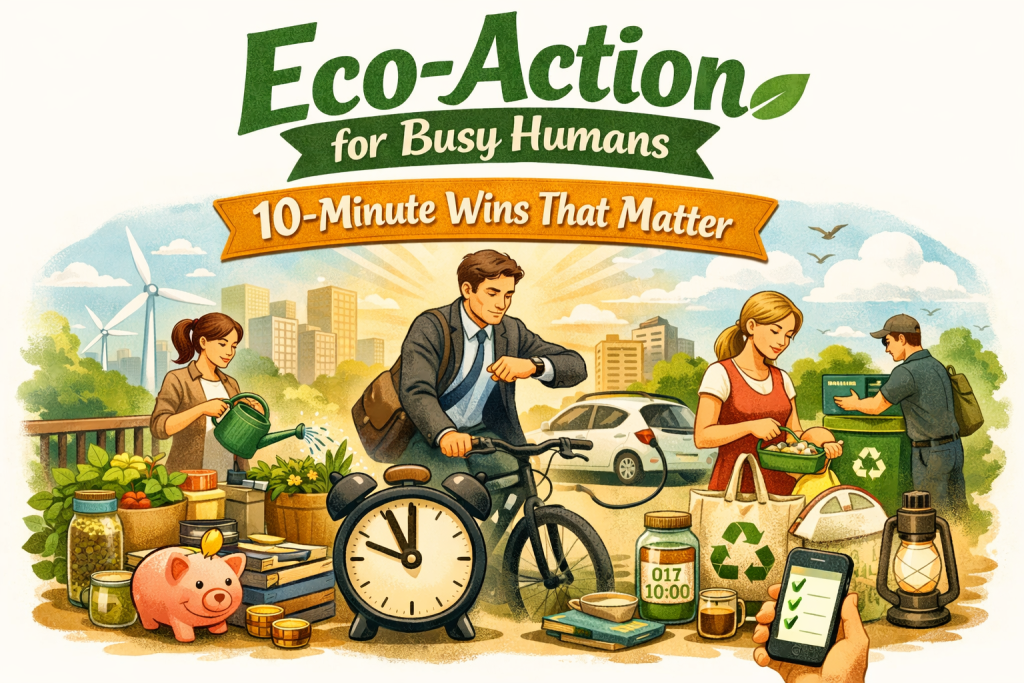
Small, 10‑minute eco‑actions matter because they remove the friction that usually stops people from living sustainably. When something takes only a few minutes, doesn’t require special equipment, and fits into the flow of a busy day, it becomes repeatable—and repeatable actions are what create real environmental impact. These micro‑habits reduce waste, conserve resources, and build a mindset of awareness that naturally leads to bigger changes over time. For instance, consider the decision to use a reusable water bottle instead of a single-use plastic one. This simple switch not only reduces plastic waste but also encourages you to stay hydrated throughout the day. Embracing Eco‑Action for Busy Humans: 10-Minute Wins That Matter is essential for everyone looking to make a difference.
🌿 Quick Habits That Reduce Waste
By integrating these quick and effective habits into your daily routine, you’ll soon notice a positive shift in your lifestyle and the environment. Let’s explore some additional actions that can further enhance your commitment to sustainability.
Implementing Eco‑Action for Busy Humans: 10-Minute Wins That Matter can transform your daily routine.
Waste reduction is one of the easiest places to start because it replaces disposable items with durable ones you already own. These swaps take seconds but eliminate a steady stream of single‑use plastics. For example, using cloth napkins instead of paper towels not only cuts down on waste but also adds a touch of elegance to your dining experience.
- Reusable bottles and coffee cups cut down on plastic waste and reduce the need for constant purchases.
- Reusable shopping bags prevent hundreds of plastic bags from entering landfills or waterways each year.
- Digital receipts and bills reduce paper waste and eliminate clutter.
These habits work best when the items are kept in convenient places—your car, backpack, or workspace—so the sustainable choice becomes the default.
💡 Energy‑Saving Actions That Take Seconds
Energy conservation doesn’t require major upgrades. Small, consistent actions reduce electricity use and shrink your carbon footprint. For instance, consider keeping a list of your energy-saving habits visible on your fridge, serving as a daily reminder to stay mindful.
When you prioritize reusable options, you are not only making a sustainable choice but also encouraging others to do the same. Share your experiences with friends and family, and inspire them to adopt similar practices.
Energy conservation doesn’t require major upgrades. Small, consistent actions reduce electricity use and shrink your carbon footprint.
Engaging in energy-saving activities not only benefits the environment but also results in lower utility bills, providing both ecological and financial advantages. Imagine the cumulative savings over a year simply by turning off lights and unplugging devices when not in use.
- Turning off lights when leaving a room prevents unnecessary energy consumption.
- Unplugging chargers and small appliances reduces “phantom load,” the energy devices draw even when not in use.
- Shortening your shower by just a few minutes conserves both water and the energy used to heat it.
When these habits become automatic, they create meaningful long‑term savings.
🌱 Simple Choices That Support Sustainable Systems
Some of the most impactful eco‑actions involve supporting systems that prioritize ethical and sustainable practices. These choices not only reflect your values but also contribute to a broader movement towards sustainability. For instance, when you choose to buy local produce, you are not just supporting local farmers but also reducing the carbon footprint associated with transporting goods.
- Choosing eco‑friendly or fair‑labor brands takes only a few minutes of research and helps shift demand toward responsible manufacturing.
- Planting a tree or donating to reforestation projects contributes to carbon absorption and habitat restoration.
- Selecting products made from sustainable materials encourages better industry standards.
These choices extend your impact beyond your immediate environment and help build a more sustainable economy.
🚯 Everyday Actions That Reduce Pollution
Pollution prevention often comes down to small, mindful choices that reduce waste at the source.
- Using refillable containers cuts down on single‑use packaging.
- Taking shorter showers conserves water and reduces strain on local systems.
- Choosing digital over paper reduces resource extraction and transportation emissions.
Individually, these actions seem small. But repeated daily, they create a pattern of lower‑impact living that fits easily into a busy schedule.
Every small choice counts, whether it’s opting for sustainable fashion or supporting brands that practice fair labor. Your purchasing decisions can help shape a market that prioritizes ethical practices, encouraging more companies to adopt sustainable methods.
🚯 Everyday Actions That Reduce Pollution
Pollution prevention often comes down to small, mindful choices that reduce waste at the source. By embracing these actions, you contribute to a cleaner planet. For instance, when you choose to walk or bike instead of driving short distances, you reduce air pollution while also improving your health.
Ten‑minute eco‑actions are powerful because they are:
- Accessible — no special tools or knowledge required. Imagine conducting a quick inventory of your home, identifying areas where you can easily reduce waste.
- Repeatable — easy to integrate into daily routines, making sustainable living a habit.
- Scalable — millions of people doing small things creates massive impact. Think about how a community can come together to organize a cleanup event or a recycling drive.
- Momentum‑building — once these habits feel natural, larger sustainable choices become easier, such as committing to a zero-waste lifestyle.
These micro‑actions help shift your mindset from “sustainability is hard” to “sustainability is part of my day.” Reflect on the simplicity of these actions and consider how they fit seamlessly into your busy life.
- Accessible — no special tools or knowledge required.
- Repeatable — easy to integrate into daily routines.
- Scalable — millions of people doing small things creates massive impact.
- Momentum‑building — once these habits feel natural, larger sustainable choices become easier.
These micro‑actions help shift your mindset from “sustainability is hard” to “sustainability is part of my day.”
As you look at your own routine, which of these quick eco‑actions feels easiest to weave into your day right now?
Each of these steps contributes not just to personal well-being, but also to a healthier environment. Over time, your commitment to these actions can create a ripple effect, inspiring others to consider their own impact.
As you look at your own routine, which of these quick eco‑actions feels easiest to weave into your day right now? The choices you make can inspire a shift in your community, encouraging a collective effort towards sustainability. Every action, no matter how small, contributes to a larger change.
In conclusion, adopting Eco‑Action for Busy Humans: 10-Minute Wins That Matter not only supports individual well-being but also promotes a healthier planet. Don’t underestimate the power of small actions—they can lead to significant changes.
- dive deeper with The Musician’s Marketing Playbook
- check out Vulnerable Creator’s Marketing Playbook
- grab your copy of Pitch Yourself Without Cringing
- explore Build a Brand That Feels Like You