

Sustainability Made Simple: A Beginner’s Guide to Eco‑Friendly Living
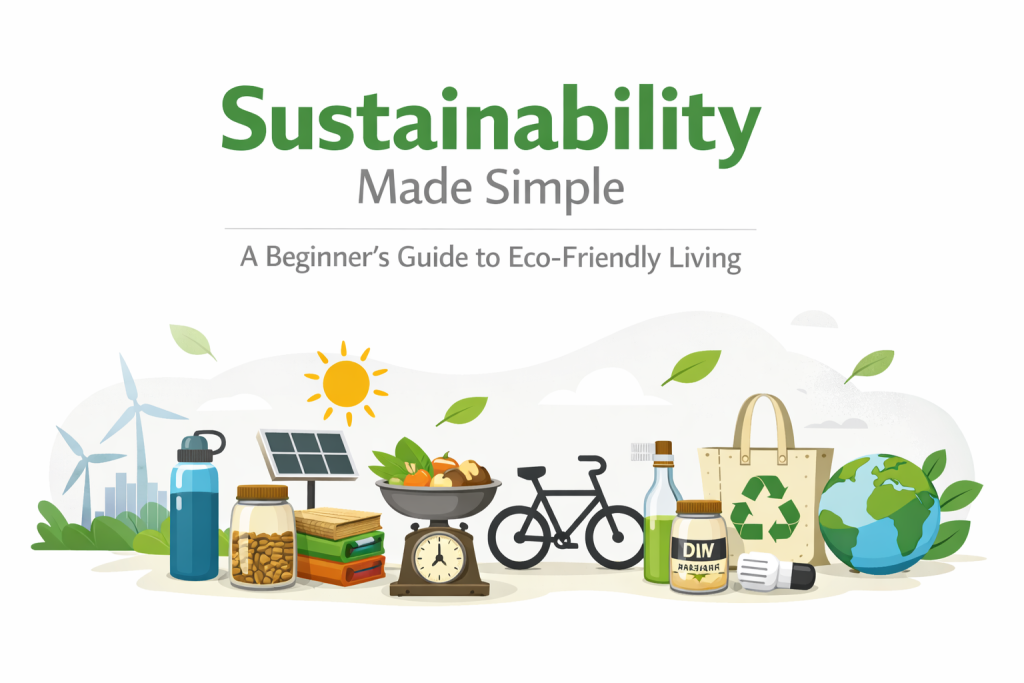
Sustainable living becomes far more approachable when you frame it as a series of small, repeatable choices rather than a dramatic lifestyle overhaul.
Adding sustainable practices to your daily routine doesn’t have to be overwhelming. It can start with understanding the impact of your choices and gradually making adjustments that resonate with your lifestyle. Education plays a crucial role; reading articles, attending workshops, or even watching documentaries can provide valuable insights into how everyday actions affect the environment. This awareness can empower you to make informed decisions.
Sustainability Made Simple: A Beginner’s Guide to Eco‑Friendly Living
Moreover, sharing your sustainability journey with friends and family can inspire them to make similar changes. As you adopt these habits, you may find that others are encouraged to follow suit, creating a community effort towards eco‑friendly living.
Small Habits That Create Big Impact
For instance, consider the journey of a plastic bottle. It begins as a raw material and undergoes various processes before reaching the consumer. Understanding this journey can highlight the importance of recycling and waste reduction. Each small choice, like opting for a biodegradable product, contributes to a larger movement towards sustainability.
Sustainable living often feels intimidating because it’s presented as an all‑or‑nothing transformation—zero waste, plastic‑free, off‑grid, perfectly ethical. But real sustainability doesn’t look like perfection. It looks like small, consistent choices that reduce waste, conserve energy, and support healthier ecosystems. These small shifts build momentum, and over time, they reshape both your habits and your impact.
Starting small matters because it keeps the journey realistic. Big, sudden changes often lead to burnout, but manageable habits create a ripple effect that benefits both the planet and your daily life.
Single-use plastics, such as straws, cutlery, and bags, contribute significantly to environmental pollution. As you make the choice to reduce these items, it’s helpful to explore alternative products. For example, bamboo cutlery or metal straws are great replacements. When shopping, look for brands that prioritize sustainable packaging and offer products with minimal environmental impact. This conscious choice not only benefits the planet but often leads to a healthier lifestyle.
🌿 Reduce Single‑Use Plastics: A Deeper Look
Single‑use plastics are one of the easiest and most visible places to begin. These items are used for minutes but last for centuries, and simple swaps can dramatically reduce your waste footprint.
A few beginner‑friendly changes include:
- Using reusable water bottles instead of disposable ones
- Bringing your own grocery bags and produce bags
- Carrying a reusable coffee cup or travel mug
- Choosing products with minimal or recyclable packaging
These small shifts prevent plastic from entering landfills and oceans, and they quickly become second nature.
To make this transition easier, consider keeping a set of reusable bags and containers handy. By doing so, you create a habit that seamlessly integrates into your routine. Over time, these actions can lead to significant reductions in plastic waste.
💡 Lower Your Energy Consumption: Practical Tips
Lowering energy consumption doesn’t require drastic changes. Start by assessing your energy use. Many utility companies offer free home energy audits, which can provide insights into how to improve efficiency. Simple adjustments, such as sealing drafts in windows and doors, can significantly reduce heating and cooling costs.
Energy efficiency is one of the most impactful ways to reduce your carbon footprint—and it often saves money, too. You don’t need major upgrades to make a difference.
Simple habits include:
- Switching to energy‑efficient appliances when possible
- Using natural light during the day
- Turning off electronics and unplugging chargers when not in use
- Adjusting thermostat settings to reduce heating and cooling demands
- Replacing old bulbs with LEDs
If it’s feasible, renewable energy options like solar panels can further reduce your environmental impact, but even small daily choices add up over time.
🥕 Choose Local and Organic Foods: The Benefits
Food choices play a major role in sustainable living. The way food is grown, transported, and consumed affects everything from soil health to carbon emissions.
Additionally, consider investing in smart home devices. These technologies can optimize energy use by adjusting settings based on your routines. For instance, smart thermostats learn your habits and can automatically adjust temperatures, saving both energy and money.
Begin with approachable shifts:
As you incorporate these energy-saving habits, track your usage over time. You might find it rewarding to see reductions in your energy bill alongside your carbon footprint.
Opting for local and organic foods not only supports small farmers but also enhances your dietary choices. Local foods typically have a shorter travel distance, which reduces their carbon footprint. When selecting organic products, you also support farming practices that protect soil health and biodiversity.
- Buying local produce to reduce transportation emissions and support nearby farmers
- Choosing organic when possible to avoid harmful pesticides
- Planning meals to reduce food waste
- Composting food scraps to return nutrients to the soil
These habits support both environmental health and personal well‑being, and they help you build a more mindful relationship with what you eat.
🔄 Build Sustainable Routines: Easy Strategies
Sustainability becomes easier when it’s woven into your daily life. Instead of trying to change everything at once, focus on building routines that feel natural and repeatable.
Helpful approaches include:
To transition towards a more local and organic diet, consider visiting farmers’ markets or joining a community-supported agriculture (CSA) program. These options often provide fresh, seasonal produce, encouraging a diverse diet.
- Starting with one or two habits and building from there
- Staying mindful of your choices without striving for perfection
- Celebrating small wins—they’re the foundation of long‑term change
- Replacing “all‑or‑nothing” thinking with “better than before” thinking
Cooking at home with local ingredients can also deepen your connection with food. Experimenting with recipes that highlight seasonal produce can be a fun and educational experience.
Sustainable living is a journey, not a destination. Progress matters more than perfection.
🌎 Moving Forward With Confidence
By reducing plastic use, conserving energy, choosing local foods, and making mindful daily choices, you can live more sustainably without feeling overwhelmed. Each step you take contributes to a healthier planet and a more intentional lifestyle. Over time, these habits compound into meaningful change—both for you and for the world around you.
🌎 Moving Forward With Confidence: Your Role in Sustainability
Creating sustainable routines involves integrating eco-friendly choices into your daily life in a way that feels effortless. One effective strategy is to set reminders for yourself. Whether through smartphone alerts or sticky notes, these prompts can help keep sustainability at the forefront of your mind.
Consider also joining a local eco-group or online community focused on sustainability. Sharing experiences, tips, and challenges can provide motivation and support as you navigate your sustainable journey.
As you build these routines, reflect on your progress. Keeping a journal can help track changes and celebrate milestones, reinforcing positive behaviors.
Embracing sustainability offers countless benefits—not just for the planet, but for your health and well-being. As you navigate this journey, remember that every small action contributes to a larger change. Engage with others to share successes and inspire a collective movement towards eco‑friendly living.
This beginner’s guide to eco‑friendly living serves as a roadmap for your journey. Embrace each opportunity to learn and grow as an eco-conscious individual, and remember that your choices matter.
Which area—plastic reduction, energy use, food choices, or daily routines—feels like the easiest place for you to begin right now? Reflect on this question and take that first step, even if it’s small.
Ultimately, sustainability is a personal commitment that extends beyond individual choices. It’s about fostering a culture of environmental stewardship, encouraging discussions around sustainability, and advocating for policies that support eco‑friendly practices. Each step you take towards learning and implementing sustainable practices paves the way for a healthier, more sustainable future.
- dive deeper with The Musician’s Marketing Playbook
- check out Vulnerable Creator’s Marketing Playbook
- grab your copy of Pitch Yourself Without Cringing
- explore Build a Brand That Feels Like You