

Eco-Friendly Habits That Save Money and the Environment
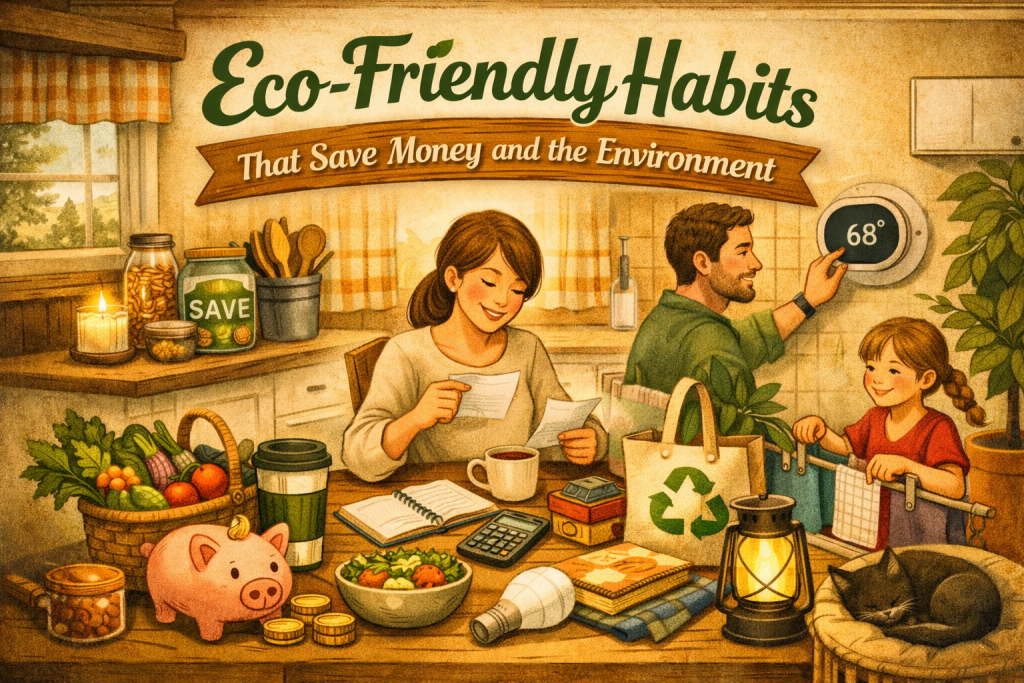
Eco‑friendly habits that save money are powerful because they work on two levels at once: they reduce your environmental impact and lower your everyday expenses. Instead of relying on expensive “green” products or dramatic lifestyle changes, the most effective habits are small, repeatable, and rooted in reducing waste—waste of energy, water, materials, and money. Over time, these choices compound, creating a lifestyle that’s lighter on the planet and easier on your wallet.
Eco‑Friendly Habits That Save Money and the Environment
Living sustainably doesn’t have to be expensive, complicated, or time‑consuming. In fact, many of the most impactful eco‑friendly habits are the ones that save you money by reducing waste and helping you use resources more efficiently. When you shift your daily routine toward small, intentional actions, you create a lifestyle that’s both environmentally responsible and financially smart.
The key is consistency. A single habit may seem small, but when practiced daily—and combined with others—it becomes part of a powerful system that benefits your home, your budget, and the planet.
Why Eco‑Friendly Habits Save Money
At their core, sustainable habits reduce unnecessary consumption. That means:
- Using less energy
- Wasting less water
- Throwing away fewer materials
- Buying fewer disposable items
- Making better use of what you already own
These habits don’t require expensive gadgets or a complete lifestyle overhaul. They simply require awareness and small shifts in how you use resources. Over time, these shifts add up to lower utility bills, fewer purchases, and a more intentional way of living.
Reducing Energy Use to Cut Monthly Bills
Energy consumption is one of the easiest—and fastest—places to see financial savings. Even small changes can noticeably lower your electricity bill while reducing your carbon footprint.
Turn off lights and unplug devices
Many electronics draw power even when they’re turned off. This “phantom load” can account for a surprising portion of your energy bill. Unplugging devices or using a power strip you can switch off eliminates this hidden waste.
Switch to LED bulbs
LED bulbs use far less electricity than incandescent or CFL bulbs and last significantly longer. The upfront cost is higher, but the long‑term savings are substantial. Replacing bulbs gradually—one room at a time—makes the transition easy and affordable.
Adjust your thermostat
Heating and cooling account for a large portion of home energy use. Adjusting your thermostat by just a few degrees can reduce your bill without sacrificing comfort. In winter, lowering the temperature slightly and wearing layers helps. In summer, raising the temperature a bit and using fans can make a big difference.
Why these changes matter
- They require no major lifestyle changes
- They reduce your monthly bills immediately
- They lower your home’s overall energy demand
- They help reduce greenhouse gas emissions
Energy efficiency is one of the most cost‑effective ways to live sustainably.
Conserving Water to Reduce Waste and Utility Costs
Water conservation is often overlooked, but it’s one of the simplest ways to save money and protect a vital resource. Many water‑saving habits require only small adjustments to your routine.
Fix leaks promptly
A dripping faucet or running toilet may seem minor, but over time, it wastes a surprising amount of water. Fixing leaks is one of the fastest ways to reduce water waste—and your bill.
Take shorter showers
Shortening your shower by even a few minutes reduces both water use and the energy required to heat it. This double savings makes it one of the most efficient eco‑friendly habits.
Install water‑saving fixtures (if you already have them)
If your home already has low‑flow showerheads or faucet aerators, make sure they’re in good working condition. If you have older fixtures, consider replacing them when they naturally wear out. These upgrades reduce water flow without sacrificing comfort.
Why water conservation works
- It lowers your water bill
- It reduces energy use from heating water
- It protects local water supplies
- It encourages mindful consumption
Water‑saving habits are simple, low‑effort, and highly effective.
Reducing Waste to Save Money and Resources
Waste reduction is one of the most impactful ways to live sustainably—and one of the most financially beneficial. When you buy less, reuse more, and avoid disposables, your expenses naturally drop.
Recycle and compost
Recycling reduces the amount of trash you send to landfills, which can lower disposal costs if your area charges by volume. Composting turns food scraps into nutrient‑rich soil, reducing waste and supporting home gardening.
Buy in bulk
Buying in bulk reduces packaging waste and often lowers the price per unit. This works especially well for pantry staples, cleaning supplies, and personal care items.
Cook at home with seasonal, local ingredients
Cooking at home is almost always cheaper than dining out. Using seasonal produce reduces costs further and supports local farmers. It also reduces the carbon footprint associated with long‑distance food transportation.
Why waste reduction matters
- It lowers grocery and household expenses
- It reduces landfill waste
- It encourages intentional purchasing
- It creates a more organized home environment
Waste reduction is both environmentally impactful and financially smart.
Reusable Products That Eliminate Ongoing Costs
Reusable items replace constant purchases of disposable goods. Once you have them, they pay for themselves quickly.
Reusable shopping bags
Many stores charge for disposable bags. Reusable bags eliminate this cost and reduce plastic waste.
Reusable water bottles and coffee cups
Buying bottled water or takeaway coffee adds up quickly. A reusable bottle or cup saves money and reduces single‑use plastic.
Reusable containers
Reusable containers replace plastic wrap, foil, and disposable food storage. They’re durable, versatile, and reduce the need for constant repurchasing.
The goal isn’t to buy new “eco products”
You don’t need to purchase a full set of trendy sustainable items. Start with what you already have:
- Old jars
- Sturdy containers
- Cloth bags
- Reusable utensils
Replace disposables gradually as they run out.
Why reusables save money
- They eliminate recurring purchases
- They reduce waste
- They encourage mindful consumption
- They last for years
Reusable items are one of the easiest ways to build a sustainable, budget‑friendly lifestyle.
How These Habits Work Together
Each habit reduces a different type of waste—energy, water, money, or materials. When combined, they create a lifestyle that is:
- More affordable — lower bills, fewer purchases
- Less resource‑intensive — reduced energy and water use
- Easier to maintain — simple routines that become second nature
- Better for long‑term environmental health — lower carbon footprint and less waste
The cumulative effect is far greater than any single change. Small habits compound into meaningful impact.
Building a Sustainable Lifestyle That Lasts
The most effective eco‑friendly habits are the ones you can maintain long‑term. Sustainability isn’t about perfection—it’s about consistency. Start with one or two habits that feel easy and build from there.
Choose habits that fit your lifestyle
If you’re busy, focus on quick wins like:
- Turning off lights
- Shorter showers
- Using reusable bags
If you enjoy cooking, focus on:
- Reducing food waste
- Buying local produce
- Cooking at home
If you love organizing, focus on:
- Bulk buying
- Reusable containers
- Composting
Sustainability becomes easier when it aligns with your natural preferences.
Track your progress
Seeing the impact of your habits can be motivating. Track:
- Lower utility bills
- Reduced trash output
- Fewer disposable purchases
- Increased savings
Even small improvements add up.
Celebrate your wins
Every eco‑friendly habit—no matter how small—is a step toward a healthier planet and a more affordable lifestyle. Celebrate your progress and keep building.
Final Thoughts
Eco‑friendly habits that save money don’t require dramatic changes or expensive products. They’re built on simple, repeatable actions that reduce waste and make your daily life more intentional. When you combine energy savings, water conservation, waste reduction, and reusable items, you create a lifestyle that’s sustainable, affordable, and deeply rewarding.
As you think about your own routine, which area feels like it would give you the biggest immediate win—energy savings, water conservation, waste reduction, or switching to reusables?
- learn more in How to EQ Your Feelings
- dive deeper with The Musician’s Tech Toolbox
- explore Producer’s Guide to Avoiding Human Contact